
How Booking a Bluerhino Tour Works
From First Idea to Departure Day
Booking a Bluerhino tour is not complicated, but it does run over a long time — sometimes two years from first idea to the morning we drive out. This page walks you through what happens at each step, what the paperwork means, and when payments fall due.




1. Tell me what you’d like to do
Many of my tours start with a guest saying “I’d love to do…”. Others I build because I think they will work well. Either way, I want to hear what you would like to do: where you want to go, and how many days you would like to spend.
Then one of four things happens. I point you to a tour on the website that fits. I tell you about a tour that is coming up but is not on the website yet. I develop a new tour because your idea is a good one. Or, if you prefer, I organise a private tour exactly the way you want it — without me adding other people to it.
2. Get in touch
Once you know what you want, let me know — WhatsApp, e-mail, a phone call or a carrier pigeon. It makes no difference. If I am in the country and at my desk, I will confirm that I have your request.
For a tour or an upcoming tour, I then open an account for you on my bookkeeping system, with your own customer number, and send you a quotation.
3. Your quotation — a provisional booking
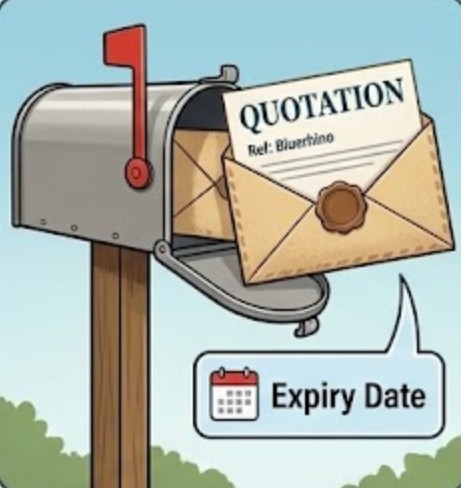
Your quotation is your provisional booking. Look at the expiry date: when the quotation expires, the provisional booking expires with it.
The first line is usually the booking deposit. Some tours are still two years away, and I can only confirm the full cost once parks boards and accommodation have set their prices — usually within the 12 months before departure. Until then I quote on the best information I have. If the tour is more than 12 months away, you receive a quotation only, not an invoice.
4. The booking deposit
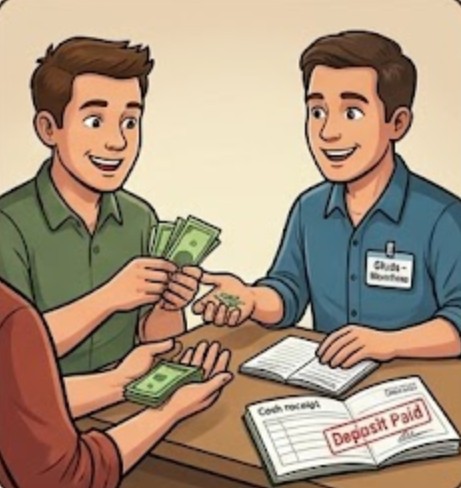
Paying the booking deposit secures your spot. From this point I expect you to proceed with the tour, unless you advise me otherwise.
How refunds work if your plans change is set out in the Bluerhino Cancellation Policy.
5. Twelve months out — commit or withdraw
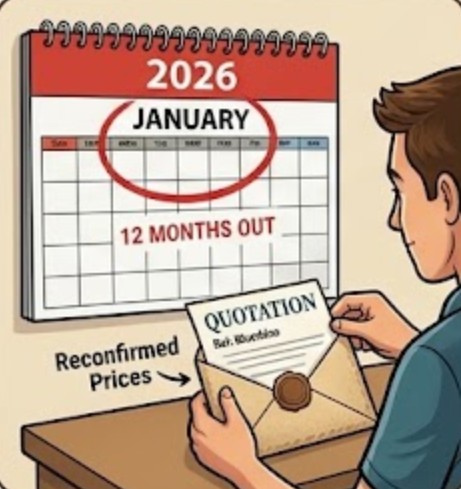
About 10 to 12 months before departure, the suppliers have committed to their prices, the parks boards have fixed theirs and the bookings are in place. I then send you an updated quotation on the latest costs — or confirm that the original quotation still stands and reissue it. Either way it has a new expiry date.
Now you choose. If you decide not to go, your booking deposit is refunded. If you commit, you pay the second deposit. The booking deposit holds your spot; the second deposit starts paying for the tour. Both form part of the total price.
6. Invoice, payments and statements
Once you have paid the second deposit, I invoice the tour, and your account needs to be paid in full 30 days before departure. How much you pay, and when, does not matter to me — but there are minimums, because that is when I start paying the tour’s accounts. Usually there is a third payment: on shorter tours that is the final payment, and on longer tours such as the Serengeti or the gorillas it is the third of four.
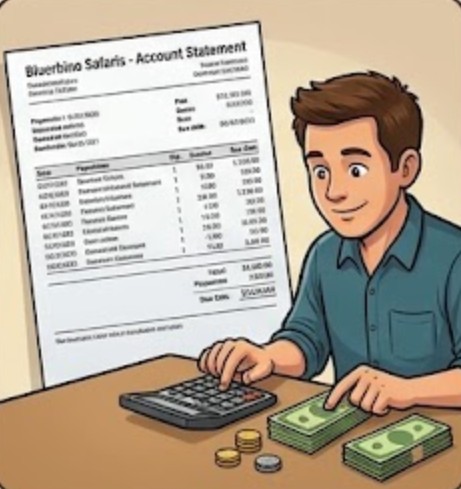
From here I send you statements regularly. A statement shows your account as I see it — the money that came in and what has been invoiced — so you can see what is still owing. It is not a demand for payment. New invoices can be added along the way, for example for gorilla permits or border crossings, and they simply add to your account.
How much you pay, and when, is flexible — as long as the minimums on your quote and invoice are met, because that is when I start paying suppliers for the tour.
Quotation
Your provisional booking. It shows the price and the deposits, and it has an expiry date.
Expires — and so does the bookingInvoice
What the tour costs you. More invoices can be added later, e.g. gorilla permits or border crossings.
Adds to your accountStatement
Where your account stands: what you have paid, what has been invoiced and what is still owing.
Not a demand for payment7. Paid in full, 30 days before departure
Thirty days before departure your final payment is due, and we start the tour with your account at zero.
You do not make any payments on tour. On some tours there may be a small forex adjustment: the Serengeti park fees, for example, have to be paid by credit card in US dollars on the day, so the final rand amount can differ slightly from the invoice. Any such adjustment is settled on tour, or afterwards if necessary.
8. Pack and go
Then it is a question of packing, charging your camera, cleaning your binoculars, finding your hat — and joining the tour to have a lot of fun.
Questions about any of this? Ask me — or read Understanding Bluerhino Pricing and the Bluerhino Cancellation Policy.